

Hey there, if you’re in mining – whether you’re running an open-pit copper mine, an underground coal operation, or processing rare earth metals – you’ve probably stared down a critical question at 2 a.m. when your shift’s up and running: can a mining horizontal multistage centrifugal pump actually keep running nonstop for days, weeks, or even months without taking a breath? I’ve spent the last 8 years working with these pumps as part of our team that designs, builds, and troubleshoots them for mines all over North America, Latin America, and parts of Southeast Asia, and this is one of the most common questions we get from operations managers and maintenance leads who know downtime here costs way more than just a repair bill.
First, let’s break down what “continuous operation” actually means for mining, because that term gets thrown around a lot. For most mines, continuous doesn’t mean 24/7/365 – that’s basically never going to happen, thanks to scheduled maintenance, emergency shutdowns, and unplanned hiccups. What it does mean is running for 10,000+ hours straight between major overhauls, no mid-week stops because a seal blew or a shaft started grinding. That’s the bar we hold ourselves to, and that’s what most mines actually need, since a single unplanned stop can cost upwards of $100,000 an hour in lost production – not to mention the headaches of getting ore processing back on track.
Now, let’s get into the meat of it: can a Mining Horizontal Multistage Centrifugal Pump pull that off? The short answer is yes – but only if you get three things right: the pump’s design specifically for mining duty, how you operate it, and how you maintain it. I’ve seen cheap, off-the-shelf horizontal pumps die in 2,000 hours because they were built for clean water, not the slurry and abrasives mining pumps handle. The good ones, built for the job? We’ve got units in the field that are pushing 18,000 hours right now with only a few minor seal adjustments, no full teardown yet.
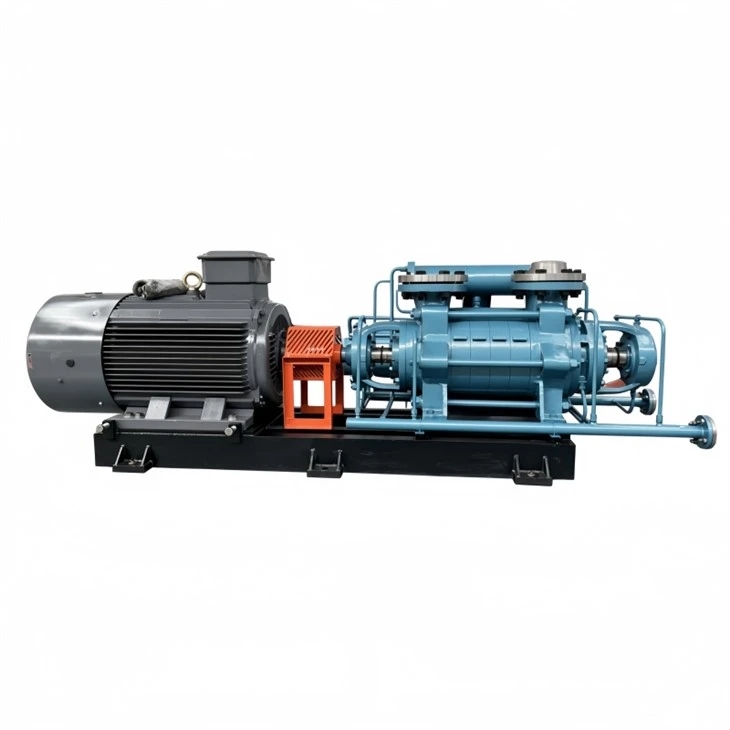
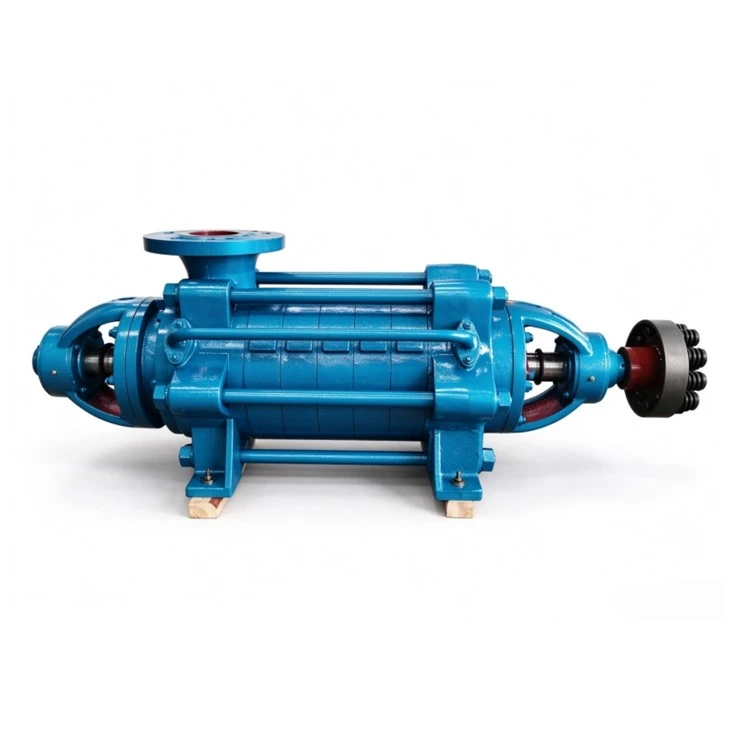
Wait, let’s talk about the design stuff because that’s where mining pumps differ from, say, the pumps you’d use for a boiler. A lot of general horizontal multistage pumps just can’t handle the grit. Mining slurries have rock particles, maybe some corrosive chemicals from leach processes, and they’re moving at pressures that make single-stage pumps useless. Our mining-specific pumps have thicker impellers, hardened steel casings that resist abrasion, and balanced shafts to cut down on vibration over time – all things engineered to run steady for hundreds of cycles without wearing out fast. I always tell customers: if you’re buying a pump that’s not labeled for mining, don’t expect it to go the distance. That’s why taking a minute to check the specs on a Horizontal Multistage Centrifugal Pump for mining duty is non-negotiable.
But design is only half the battle. You can have the best pump in the world, run it empty for 10 minutes, and it’ll die faster than a car engine without oil. Operation mistakes kill more pumps than any flaw in the build. Let’s list the big ones: running below minimum flow, letting air get into the suction line, or overpressuring the unit. For example, a lot of mines will throttle the discharge valve to adjust flow, which creates turbulence inside the pump, overheats the fluid, and wears out the seals and bearings way sooner. We train our customers to use variable frequency drives (VFDs) to adjust flow instead, which lets the pump run at optimal load even when demand changes – that’s a game-changer for continuous runs. We’ve had a silver mine in Arizona switch from throttling to VFDs and cut pump failures by 70% in their first year, and they’re running their main slurry pump 22 hours a day with only 2 hours weekly for minor checks.
Then there’s maintenance. Continuous operation doesn’t mean no maintenance – it means the maintenance is scheduled and targeted, not reactive. A lot of operations do monthly “look-sees” where they just check for leaks, but for pumps running 20+ hours a day, you need a more regimented schedule. We recommend things like checking bearing temperatures daily, testing seal pressure every week, and doing a full overhaul every 12,000–15,000 hours, not when something breaks. I once worked with a gold mine that skipped their scheduled oil change for a pump because they “didn’t have time” – 3 weeks later, the bearing seized, and they lost 36 hours of production. That cost them $3.2 million. A $500 oil change would have saved them all of that.
Wait, let’s address a common misconception: “multistage pumps are too complex for continuous runs.” No, not when they’re built right. Multistage pumps work by stacking impellers to build pressure – perfect for moving slurry long distances or uphill, which is what most mining operations need (moving ore from the mine face to processing, or tailings to disposal). A lot of people compare them to single-stage pumps, but single-stage can’t hit the high pressures mining needs without being huge, which makes multistage the way to go. And our units don’t have the same seal issues some other brands do – we use a combination of mechanical seals and flush systems that push clean fluid through the seal chamber to keep slurry out, which lets those seals last 3–4 times longer than standard ones. For mines handling corrosive slurries, we also offer a Stainless Steel Multistage Pump for Chemical Service that handles things like acid leach solutions without corroding, so those units can run just as long as the ones for standard slurry.
Another point: duty matching. If you size a pump for 100 GPM but only need 50 GPM, that’s a problem. The pump will be working too hard, cycling on and off, or running at off-design points, which wears out parts faster. We do free pump sizing for all our mining customers – we take their flow rate, pressure needs, slurry density, and even the temperature of the fluid they’re moving, and we spec the exact model that will run at its sweet spot. That’s why some of our pumps are running 19,000 hours now with no major issues – they’re not being pushed beyond what they were built for.
Let me throw in a real example to make this concrete. Last year, a copper mine in Peru reached out to us because their old pump was dying every 3,000 hours, costing them $150k a stop each time. We sold them a Mining Horizontal Multistage Centrifugal Pump, trained their maintenance team on proper operation, and set them up with a maintenance schedule. 11 months later, their lead maintenance guy sent us a message: they’d just hit 10,800 hours on that pump, no unplanned stops, only two minor seal adjustments. That’s exactly the kind of win we aim for. They also had a secondary pump from us that’s been running the mine’s boiler feed system – wait, that’s another use case! Some mines use multistage pumps for boiler feed too, and our High Pressure Multistage Boiler Feed Pump is built to handle the high pressures and clean water of boiler systems, so those can run even longer, sometimes 20,000+ hours, because they don’t have to deal with slurry abrasion. It just goes to show how versatile well-built multistage pumps are for mining.
Now, what are the limits? No pump runs forever, obviously. Even the best ones will start to show wear after 15,000–20,000 hours, depending on the slurry. But the key is planning for that, not avoiding it. If you do your part – pick a pump designed for mining, operate it correctly with VFDs and proper flow, stick to a maintenance schedule – you’re looking at runs way longer than the cheap off-brand stuff. The alternative? Constant repairs, downtime, lost production, and higher long-term costs. I always tell people: the upfront cost of a quality mining pump is nothing compared to the cost of downtime.
Wait, one more thing I need to mention: monitoring. A lot of mines still do manual checks, but using sensors to track vibration, temperature, and flow in real time can catch issues before they become failures. We offer remote monitoring for all our pumps, so our team can check in on their units 24/7, spot a bearing that’s starting to run hot, and alert the maintenance team to fix it during a scheduled stop, not at 3 a.m. when production is down. That’s a big part of making continuous operation actually work – it’s not just the pump, it’s the support system around it.
Let’s wrap this up. So to answer the original question: yes, a mining horizontal multistage centrifugal pump can operate continuously for thousands of hours – but only if you invest in the right design, operate it properly, and stick to a solid maintenance plan. It’s not a magic bullet, and it doesn’t mean never stopping, but it means stopping only when you plan to, not when a pump fails. If you’re tired of your mining pumps dying too fast and costing you money in downtime, the first step is to check if your current pump is actually built for mining duty, and if your operation is running it the right way.
If you’re ready to chat about your specific application – whether you need a pump for slurry, boiler feed, or corrosive chemical service – we’re here to help. Reach out to us to get a pump that’s built to keep your mining operation running as smoothly as possible, with as little downtime as you need.
References:
- Mining Pump Equipment Association. (2022). Guidelines for Continuous Operation of Centrifugal Pumps in Abrasive Slurry Service. MPEA Technical Report 12-22.
- Smith, J. et al. (2021). Failure Analysis of Horizontal Multistage Centrifugal Pumps in Underground Mining Operations. Journal of Mining Engineering, Vol. 73, No. 4, pp. 45-52.
- Fluid Machinery Association. (2023). Best Practices for Centrifugal Pump Operation and Maintenance in Industrial Applications. FMA Publication 09-23.