

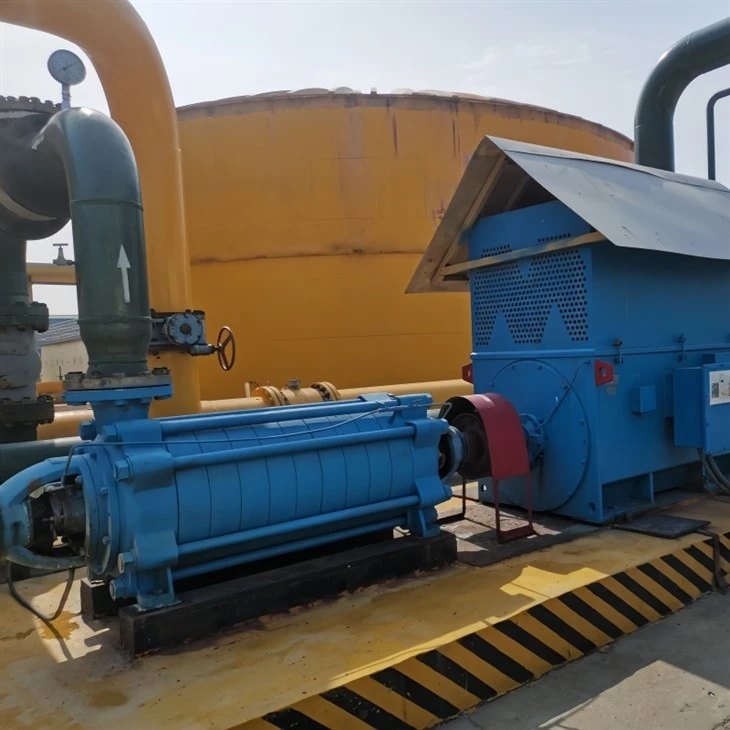
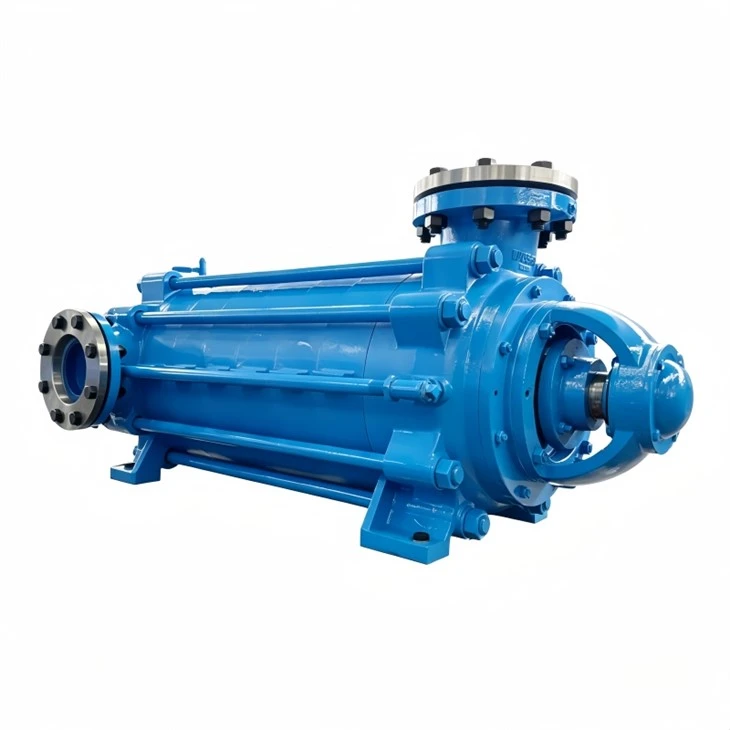
The suction lift capacity of a Mining Horizontal Multistage Centrifugal Pump is a crucial parameter that significantly impacts its performance in mining operations. As a leading supplier of Mining Horizontal Multistage Centrifugal Pump, we understand the importance of this characteristic and are here to provide a comprehensive understanding of it.
When selecting a mining horizontal multistage centrifugal pump, suction lift is an important consideration, particularly when the pump is installed above the water source. Whether the pump can draw water reliably depends on more than its rated flow rate and head. Atmospheric pressure, liquid temperature, suction pipe losses, and the pump's NPSH requirements all affect the available suction conditions.
For mine drainage applications, understanding these factors helps engineers choose a suitable installation arrangement, reduce cavitation risks, and maintain reliable pump operation.
What Is Suction Lift in a Centrifugal Pump?
Suction lift is the vertical distance between the liquid surface in the source tank or sump and the pump's suction reference level when the pump is installed above the liquid.
A centrifugal pump does not lift water by creating an unlimited vacuum. Instead, the pressure at the liquid surface, usually atmospheric pressure in an open sump, pushes the liquid toward the lower-pressure pump inlet.
The actual suction lift that can be used in an installation is limited by the available Net Positive Suction Head (NPSHa) and the pump's required NPSH (NPSHr).
It is also important to distinguish suction lift from pump head. A multistage pump may be designed to deliver high discharge pressure, but this does not automatically mean it can operate with a large suction lift.
What Is Suction Lift in a Centrifugal Pump?
Suction lift is the vertical distance between the liquid surface in the source tank or sump and the pump's suction reference level when the pump is installed above the liquid.
A centrifugal pump does not lift water by creating an unlimited vacuum. Instead, the pressure at the liquid surface, usually atmospheric pressure in an open sump, pushes the liquid toward the lower-pressure pump inlet.
The actual suction lift that can be used in an installation is limited by the available Net Positive Suction Head (NPSHa) and the pump's required NPSH (NPSHr).
It is also important to distinguish suction lift from pump head. A multistage pump may be designed to deliver high discharge pressure, but this does not automatically mean it can operate with a large suction lift.
What Determines the Maximum Suction Lift?
There is no single maximum suction lift that applies to every mining horizontal multistage centrifugal pump. The allowable value depends on the complete suction system and the pump's operating conditions.
1. Atmospheric Pressure and Installation Altitude
Atmospheric pressure provides the driving force that moves liquid from an open source toward a pump installed above it.
At higher elevations, atmospheric pressure is lower. This reduces the pressure available to overcome the static suction lift and suction pipe losses.
For this reason, a pump installation at a high-altitude mine may have less available NPSH than an otherwise similar installation near sea level.
2. Liquid Temperature and Vapor Pressure
Liquid temperature directly affects vapor pressure. As the temperature rises, vapor pressure generally increases, reducing the pressure margin available at the pump inlet.
If the local pressure falls too close to or below the liquid's vapor pressure, vapor bubbles may form. Their collapse inside the pump can cause cavitation, noise, vibration, and damage to hydraulic components.
This is particularly important when evaluating mine drainage systems handling water at different operating temperatures.
3. Suction Pipe Diameter and Layout
The suction pipeline affects the pressure available at the pump inlet.
A long pipeline, undersized pipe, excessive bends, partially closed valves, or clogged strainers can increase hydraulic losses. These losses reduce NPSHa and may limit the allowable suction lift.
A properly designed suction line should be as short and direct as practical, with an appropriate pipe diameter and suitable fittings. Air pockets and leakage on the suction side should also be avoided.
4. Pump Flow Rate and NPSH Requirements
NPSHr is a characteristic of the pump at a specified speed and flow rate. It generally changes as the operating point changes.
Engineers should obtain the NPSHr curve for the selected pump model and compare it with the calculated NPSHa under actual site conditions. An appropriate NPSH margin should be maintained in accordance with the project requirements and applicable engineering standards.
A pump's rated head or number of impeller stages cannot be used as a substitute for its NPSH data.
How to Evaluate Suction Conditions Using NPSH
For an open water source, a simplified NPSHa calculation can be expressed as:
NPSHa = H_atm − H_vapor − H_static − H_losses
Where:
H_atm: Atmospheric pressure head at the installation site
H_vapor: Vapor pressure head of the liquid
H_static: Vertical distance from the liquid surface to the pump reference level when the pump is above the liquid
H_losses: Friction and local losses in the suction pipeline
All terms should be expressed in metres of the pumped liquid.
The calculated NPSHa should exceed the pump's NPSHr by a suitable margin. The required margin depends on the pump manufacturer's recommendations and project conditions.
The theoretical water-column height associated with standard atmospheric pressure at sea level is approximately 10.3 m. This is a theoretical pressure limit, not a recommended operating suction lift for a centrifugal pump. Actual allowable suction lift is lower and must be established through NPSH calculations and pump-specific data.
Suction Lift Considerations for Mining Dewatering Pumps
Mining drainage systems may operate under demanding conditions, including variable water levels, abrasive particles, long suction pipelines, and changing site elevations.
SanchangPump's Mining Horizontal Multistage Centrifugal Pump is designed for mine drainage and related high-head water transfer applications. The product page lists a flow range of 3.7–1400 m³/h, a head range of 50–2,000 m, and liquid temperatures up to 80°C.
The series is available in standard MD configurations for neutral mine water and MD(P) configurations with a self-balancing design. Its product specifications also describe wear-resistant alloy construction and applications such as underground mine drainage, working-face dewatering, pit-bottom drainage, and tailing water return.
These product characteristics support demanding mining duties, but they do not establish a universal suction lift value. The allowable suction arrangement must still be checked for the selected model and actual site conditions.
Where the water source is below the pump, engineers should also confirm whether the pump and suction line can be properly primed before startup. A standard centrifugal pump should not be assumed to be self-priming unless that function is specifically designed and confirmed.
How to Select the Right Mining Pump Installation
Before choosing a mining horizontal multistage centrifugal pump, engineers should evaluate the complete operating system rather than focusing only on the required discharge head.
The following information is useful for pump selection:
Required flow rate and total head
Minimum, normal, and maximum liquid levels
Vertical distance between the liquid surface and pump centerline
Liquid temperature and properties
Solids concentration and particle size, if applicable
Suction pipe diameter, length, and fittings
Installation altitude and site conditions
Required operating hours and startup conditions
If the available suction conditions are insufficient, a flooded-suction arrangement or a revised pump installation may be more suitable than attempting to increase the suction lift.
Work with a Mining Horizontal Multistage Centrifugal Pump Manufacturer
Selecting a mining pump involves matching hydraulic performance, liquid characteristics, installation conditions, and operating requirements.
Hunan Sanchang Pump Co., Ltd. provides mining horizontal multistage centrifugal pump solutions for mine drainage and high-head water transfer applications. Our engineering team supports pump selection, performance matching, material recommendations, and customized configurations based on project requirements.
As a horizontal multistage centrifugal pump manufacturer, we recommend evaluating suction conditions together with flow rate, total head, and the complete pipeline system before confirming a pump model.
Need help evaluating your mining pump suction conditions?
Send us your required flow rate, total head, liquid temperature, minimum sump level, installation elevation, and suction pipeline details. Our team can review the operating conditions and help identify a suitable pump configuration.
Visit our Mining Horizontal Multistage Centrifugal Pump product page or contact SanchangPump for technical consultation.